From a long-term operations perspective… Hong Kong Station Group The key points of a host rental contract and service commitments should focus on stability, maintainability, and compliance. The contract terms must clearly define the responsibilities, rights, and service levels to facilitate long-term operational management and risk control.
The contract should clearly specify key aspects such as the service recipients, resource quotas, physical and network locations, device ownership, and responsibility Allocation. In the long run, the terms should take scalability and change management processes into consideration to avoid frequent disputes in the future.
SLAs must specifically quantify availability, Recovery Time Objective (RTO), and Recovery Point Objective (RPO). The operations team relies on SLAs to design emergency response plans, which clarify the compensation and remediation mechanisms in case of breaches, ensuring the long-term availability of the website cluster.
Bandwidth limits, peak usage policies, traffic billing, and DDoS protection must all be specified in the contract. For long-term operations and maintenance, it is essential to pay attention to bandwidth elasticity, solutions for mitigating sudden increases in traffic, as well as the supplier's processes for detecting and responding to abnormal traffic patterns.
The contract must clearly define the responsibilities of both parties regarding data encryption, intrusion detection, vulnerability remediation, and log retention. For long-term operations and maintenance, it is required that suppliers provide security incident reporting processes and compliance support to ensure the integrity and privacy of the data in the site cluster.
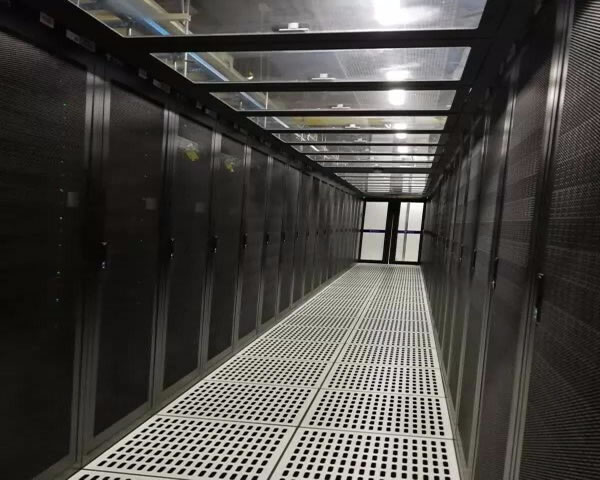
The backup frequency, retention period, as well as off-site disaster recovery and recovery drills should be specified. From an operations perspective, attention should be paid to the availability of backups and the verification of recovery processes. Contracts should include requirements for regular drills and provisions for verifying compliance with recovery time objectives.
Clarify the procedures for routine maintenance windows, regular upgrades, and emergency repairs. Technical support should provide information on response times, levels of assistance, and designated responsible persons. Long-term operational maintenance relies on stable communication channels and documented records of processing steps.
Clarify the hardware lifecycle, warranty replacement commitments, and conditions for free replacements. The contract should specify the cycle for upgrade notifications, as well as the provisions for compatibility testing and migration support, in order to mitigate the risk of business disruptions due to device upgrades during long-term operations.
The billing model, settlement cycle, and conditions for price adjustments must be clearly defined. Long-term contracts should include provisions for handling excess traffic, costs associated with resource scaling, as well as mechanisms for advance notification of price adjustments and dispute resolution, in order to avoid uncertainties regarding future costs.
The contract duration, automatic renewal provisions, conditions for early termination, and support for migration must be clearly defined. From an operations perspective, it is essential to ensure data export, configuration transfer, and a smooth transition at the time of termination, in order to minimize the risks associated with business migration.
The contract must take into account the Hong Kong Data Protection Ordinance and relevant regulatory requirements, and clearly define the responsibilities of each party regarding compliance audits, cooperation with law enforcement authorities, and cross-border data transfers, in order to mitigate legal and compliance risks.
The supplier should provide a real-time monitoring interface, regular operation and maintenance reports, and an exception alert mechanism. Long-term operation and maintenance rely on visual data and historical logs; contracts should specify data retention periods and interface specifications to facilitate integration by third parties.
Clarify the process for handing over operations and maintenance responsibilities, the list of documents to be delivered, and the ownership of intellectual property. Long-term operations require comprehensive operation manuals, configuration lists, and permission management systems to ensure that operational continuity is not affected in the event of staff changes.
From a long-term operational perspective, the key aspects of the hosting contract and service commitments for the Hong Kong site group should focus on clear responsibilities, quantifiable indicators, and verifiable mechanisms. It is recommended to review the terms and develop a test plan before signing the contract. Ensure that procedures for expansion and modification are in place to guarantee the long-term stability, security, and compliance of the website cluster.
- Latest articles
- Popular tags
-
Reasons For Users In Hubei Region To Choose Hong Kong Server Hosting
Exploring the reasons why users in Hubei region choose Hong Kong server hosting, including advantages in network speed, data security, and business expansion, among other aspects. -

What Is The Difference Between Hong Kong Native Ip And Proxy Ip And Comparison Of Selection Suggestions?
analyze the meaning of hong kong native ip and the differences between it and proxy ip in terms of source, stability, security and compliance, and give selection suggestions for different application scenarios to facilitate seo and geo optimization decisions. -

Evaluate The Performance Differences Of Game Hong Kong Server In Multiplayer Online Competition
Compare and evaluate the delay, packet loss, synchronization and load differences of the game's Hong Kong server group in multiplayer online competitions, and provide optimization suggestions at the operation and development level, which are suitable for GEO optimization in Hong Kong and surrounding areas.